
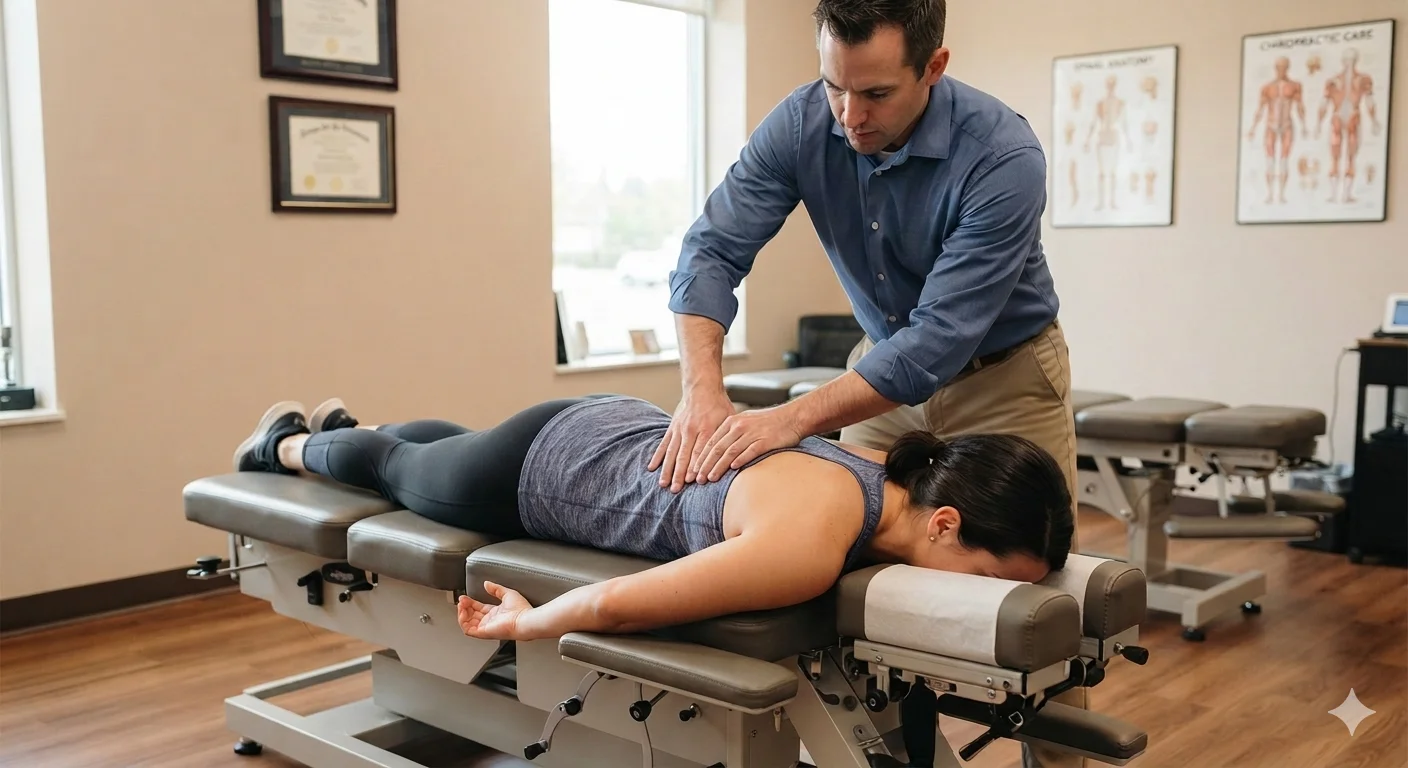
If you have heard the term "Prone Specific chiropractic" and wondered what it actually means, you are not alone. A lot of people come into the office having done a little research online, and they want to understand what makes this approach different from what they may have experienced, or been nervous about, before. The short answer is that it is a gentle, low-force technique that works with your body rather than against it. Here is a more complete picture.
What Does "Prone Specific" Actually Mean?
The name comes from two ideas working together. "Prone" refers to the face-down position patients lie in during the adjustment. "Specific" means the chiropractor targets exactly the vertebra that needs correction, rather than applying a general manipulation to a region of the spine.
The technique uses a specially designed adjusting table and applies a light, controlled force directly to the segment requiring correction. There is no twisting, rotating, or the kind of high-velocity thrust that produces the cracking sound many people associate with chiropractic care.
In other words, if you have been looking for a gentle chiropractic technique, this is one worth understanding. If you want a broader look at what gentle care actually means in practice, this overview of gentle chiropractic care is a good place to start.
Who Might Benefit From This Approach?
Prone Specific is well-suited for a wide range of people, including those who:
- Are nervous about the sounds or sensations of traditional chiropractic adjustments
- Have been told they are not a good candidate for high-force manipulation
- Are dealing with back pain or neck pain and want a conservative first step
- Are older adults or individuals with more fragile bone density
- Have had prior spinal surgery and need a careful approach
- Simply prefer gentler care on principle
That said, every person is different, and a thorough evaluation is always the starting point before any care is recommended.
How Does the Technique Work?
During a Prone Specific adjustment, the patient lies face down on a chiropractic table. The chiropractor uses precise contact points on the spine and applies a carefully directed, low-force thrust to the specific segment requiring correction. The result is an adjustment that feels very different from what most people picture when they think of chiropractic.
There is no neck rotation, no side-lying position, and no audible pop. Many patients describe the experience as surprisingly comfortable, even relaxing. If you have wondered whether chiropractic care has to feel rough or painful, the answer is no, and Prone Specific is a good example of why.
The "specific" part matters just as much as the gentleness. Rather than broadly manipulating an area, the chiropractor identifies which vertebra is misaligned and addresses that segment directly. This requires careful analysis, including posture assessment, leg length checks, and sometimes X-rays, before any adjustment takes place.
What Can Gentle Chiropractic Help With?
Chiropractic care, including Prone Specific approaches, is most commonly sought for musculoskeletal complaints. These include tension and stiffness in the neck and upper back, lower back discomfort, headaches that originate from the cervical spine, and postural strain from long hours at a desk.
It is worth being straightforward here: chiropractic is not a cure-all, and no honest chiropractor will tell you otherwise. What a well-applied, specific adjustment can do is reduce interference in the spine, support the body's natural ability to function, and in many cases provide meaningful relief from pain and restricted movement. Results vary depending on the individual, the nature of the problem, and how long it has been present.
When to Seek Care, and When to Go Straight to Urgent Care
For most people, a chiropractic evaluation is a sensible starting point. If your pain developed gradually, is tied to posture, repetitive movement, or physical activity, and you are not experiencing any neurological symptoms, conservative care is generally a low-risk and appropriate first step. The same holds true for pain that came on suddenly, provided none of the warning signs below are present.
Some symptoms, however, require prompt medical attention and should not wait for a chiropractic appointment. Go to an emergency room or contact your physician right away if any of the following apply:
- Your pain began immediately after a serious accident, fall, or trauma
- You have lost control of your bladder or bowel function
- You are experiencing progressive weakness, numbness, or tingling that is spreading into your arms or legs
- Your pain is accompanied by fever, chills, or unexplained weight loss
- You have a history of cancer and are experiencing new or worsening spinal pain
These presentations can signal conditions — including fracture, infection, or spinal cord involvement — that require imaging and medical management before any manual care is considered. A thorough chiropractor will recognize these patterns and refer you to the right provider without hesitation. Getting you the appropriate care is always the priority.
Why Patients in Hurst, Euless, Bedford, and North Richland Hills Choose This Approach
People across the Mid-Cities area come looking for care that does not feel aggressive or intimidating. Many have tried other forms of treatment without lasting results, or they have been avoiding care altogether because they were not sure what to expect. The Prone Specific technique meets people where they are. It is thorough without being rough, and it respects the fact that trust is something earned over time.
Explore the full range of services available to get a sense of how care is structured from the first visit forward.
Frequently Asked Questions
Is Prone Specific chiropractic safe?
Yes, for the right candidates it is considered a very safe technique. Because it uses low force and avoids high-velocity rotation, it carries fewer contraindications than many traditional approaches. A proper evaluation helps confirm whether it is appropriate for your specific situation.
Will I hear a cracking sound during the adjustment?
Usually not. The low-force nature of the technique means the adjustment happens without the audible pop that some people find startling. Occasional sounds can still occur, but they are not the goal and are generally not present.
How many visits will I need?
This depends entirely on your individual case. Some people notice improvement quickly, while others with longer-standing issues need more consistent care over time. You will always be given an honest assessment and a realistic picture of what to expect, not a predetermined package.
Do I need a referral to see a chiropractor?
In most cases, no. You can contact the office directly to ask questions or set up an initial evaluation without a referral from another provider.
What should I bring to my first appointment?
Any relevant imaging (X-rays or MRI reports) you already have, a list of current medications or supplements, and a brief summary of your health history will all be helpful. Comfortable clothing is also a good idea since you will likely lie on the table during the visit.